
+ 250 Free Spins
Across your first three deposits

Responsible Gaming
At Novajackpot Casino, gambling should be an enjoyable form of entertainment, not a way to make money or solve financial problems. Responsible gaming means understanding the risks, setting personal limits and making informed choices before you play. This page explains practical steps you can take to keep gambling within safe boundaries and where to seek help if gambling is becoming difficult to manage.
Fresh Picks
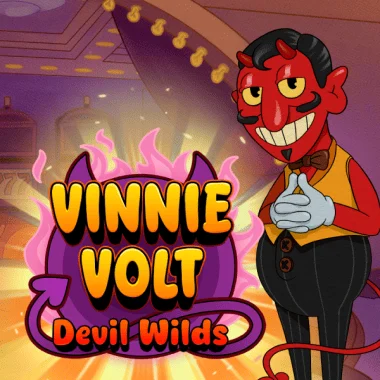
Vinnie Volt: Devil Wilds
gamzix

Vikings Go To Egypt Wild Fight
yggdrasil

Mania Vegas Flowin
kagaming

Take The Kingdom
bsg

Flaming Frenzy
penguinking

Mad Hit Wild Alice
rubyplay
Our approach to responsible gambling
Gambling involves financial risk, and outcomes are determined by chance. No strategy can guarantee a win, and previous results do not predict future results. You should only gamble with money you can afford to lose after essential living costs, commitments and savings have been considered. Never treat gambling as a source of income, an investment or a way to recover money that has already been lost.
Page contents
Novajackpot Casino supports informed and responsible play. We encourage players to understand the games they choose, consider the possible costs and use available account controls. Responsible gambling is a personal responsibility, but asking for help is also a sensible and positive step when your gambling no longer feels comfortable or under control.
Before you play
- Make a clear budget for gambling and decide how much time you are prepared to spend before starting.
- Use only your own money and never borrow money, use household bills or rely on credit to gamble.
- Avoid gambling when you are upset, stressed, tired, under the influence of alcohol or other substances, or trying to escape a personal problem.
- Understand that every wager has a risk of loss, regardless of how likely a result may appear.
- Check the rules, paytable and relevant information for a game before placing a wager.
- Take regular breaks and avoid chasing losses by increasing your stakes or playing for longer.
Players in Australia should also make sure they are legally permitted to use gambling services in their location and meet any applicable age requirements. If you are under the legal gambling age, do not create or use an account. Gambling accounts should be used only by the registered account holder and should not be shared with other people.
Recognising when gambling may be a problem
Problem gambling can develop gradually. A person may initially see gambling as harmless entertainment, then begin spending more time or money than intended. Warning signs can affect finances, relationships, work, study, health and general wellbeing. Not every sign means that someone has a gambling problem, but several signs together should be taken seriously.
Questions to ask yourself
- Do you spend more money or time gambling than you planned?
- Do you think about gambling frequently or feel restless when you try to stop?
- Do you increase your stakes to achieve the same excitement or to try to win back losses?
- Have you hidden, minimised or been dishonest about your gambling?
- Have you borrowed money, sold belongings or missed important payments because of gambling?
- Do you continue gambling after deciding to stop or after setting a personal limit?
- Has gambling affected your work, study, sleep, relationships or physical or mental health?
- Do you feel anxious, guilty, ashamed or distressed after gambling?
- Do you use gambling to cope with loneliness, stress, depression or other difficult feelings?
- Have family members or friends raised concerns about your gambling?
If you answered yes to one or more questions, consider taking a break and speaking with someone you trust. You do not need to wait for a crisis before seeking support. Talking early with a qualified counsellor, health professional or financial counsellor can help you understand what is happening and identify practical next steps.
If gambling has created debt or made it difficult to manage household expenses, avoid trying to solve the problem by gambling more. Review your finances, pause gambling and obtain independent financial guidance. If you feel overwhelmed or are concerned about your immediate safety, contact an appropriate emergency or crisis service in your area.
Safer gambling tools and personal limits
Setting limits before you play can help you stay aware of your spending and time. Available features can vary by account, product and jurisdiction. Where safer gambling controls are available, use them before gambling rather than waiting until you feel unable to stop. Limits are most useful when they reflect your real budget and are treated as firm boundaries.
Controls to consider
- Deposit limits can restrict the amount added to an account over a selected period.
- Loss or wagering limits may help reduce the amount you risk, where those controls are available.
- Session or time reminders can prompt you to review how long you have been playing.
- Reality checks can help you pause and consider your activity before continuing.
- A cooling-off period can provide a temporary break from gambling.
- Self-exclusion can block access for a chosen period or, where applicable, for longer. Consider self-exclusion if you need a stronger barrier.
- Account closure may be appropriate if you no longer want to use the service.
Before choosing a limit, review your recent gambling activity and work out what amount, if any, fits comfortably within your discretionary budget. Do not use money reserved for rent, mortgage payments, utilities, food, education, medical expenses, tax, debt repayments or other essentials. A limit should not be viewed as permission to gamble up to that amount; it is a maximum boundary, not a target.
When using an account control, read the information shown at the time of setting it, including how long it applies and whether changes take effect immediately or after a waiting period. If you are unsure how a tool works, review the responsible gaming information in your account or contact the relevant support channel without sharing sensitive information in a public forum.
Practical steps outside your account
- Keep a written record of deposits, wagers, wins and losses so that your activity is easy to review.
- Separate gambling money from money needed for everyday expenses.
- Remove saved payment methods if they make it easier to deposit without thinking.
- Use device or banking controls that can help limit access to gambling services or discretionary funds.
- Tell a trusted person about the limits you have chosen and ask them to support your plan.
- Replace gambling time with activities that support your health, relationships and interests.
Taking a break and getting help
Taking a break is a useful option whether you have noticed warning signs or simply want time away from gambling. During a break, avoid opening another account or moving to another service to continue playing. A break is more effective when you also reduce access to funds, tell someone you trust and consider what situations or emotions tend to trigger the urge to gamble.
If you want to stop gambling
- Stop playing and avoid making further deposits or wagers.
- Use an available cooling-off, self-exclusion or account closure option.
- Contact a qualified gambling counsellor, health professional or financial counsellor for confidential guidance.
- Tell a trusted family member, friend or support person what you are experiencing.
- Review bank statements and outstanding commitments, and make a plan for essential expenses.
- Seek ongoing support if urges return or if stopping becomes difficult.
Support is available in Australia through gambling counselling, community health services, financial counselling and other specialist support organisations. You can search for a service in your state or territory through official Australian health and community service websites. Many services can provide information for the person gambling as well as for family members, partners and friends affected by someone else's gambling.
If gambling is affecting someone close to you, approach the conversation calmly and focus on what you have observed rather than blame. You can encourage them to use account controls and seek professional support, but you cannot control another adult's gambling. Protect your own finances, seek advice about shared accounts or debts and obtain support for yourself if the situation is causing distress.
Novajackpot Casino does not encourage gambling when it may cause financial, emotional or personal harm. If you believe you need a stronger restriction, use the most suitable account control available and request help through the relevant support process. We may also take steps that are appropriate to support safer play, including account reviews or restrictions where required by applicable rules and internal procedures.
Remember that gambling should remain optional entertainment. You should be able to stop, afford what you spend and continue with your everyday responsibilities. If that is no longer the case, pause your gambling and seek support.